
Rain Enhancement Technologies was founded to provide the world with reliable access to water, one of life’s most important resources. To achieve this mission, RET aims to develop, manufacture, and commercialize ionization rainfall generation technology. This weather modification technology seeks to provide the world with reliable access to water, and transform business, society, and the planet for the better. To learn more, go to www.investor.rainenhancement.com.


INTERVIEW TRANSCRIPTS:
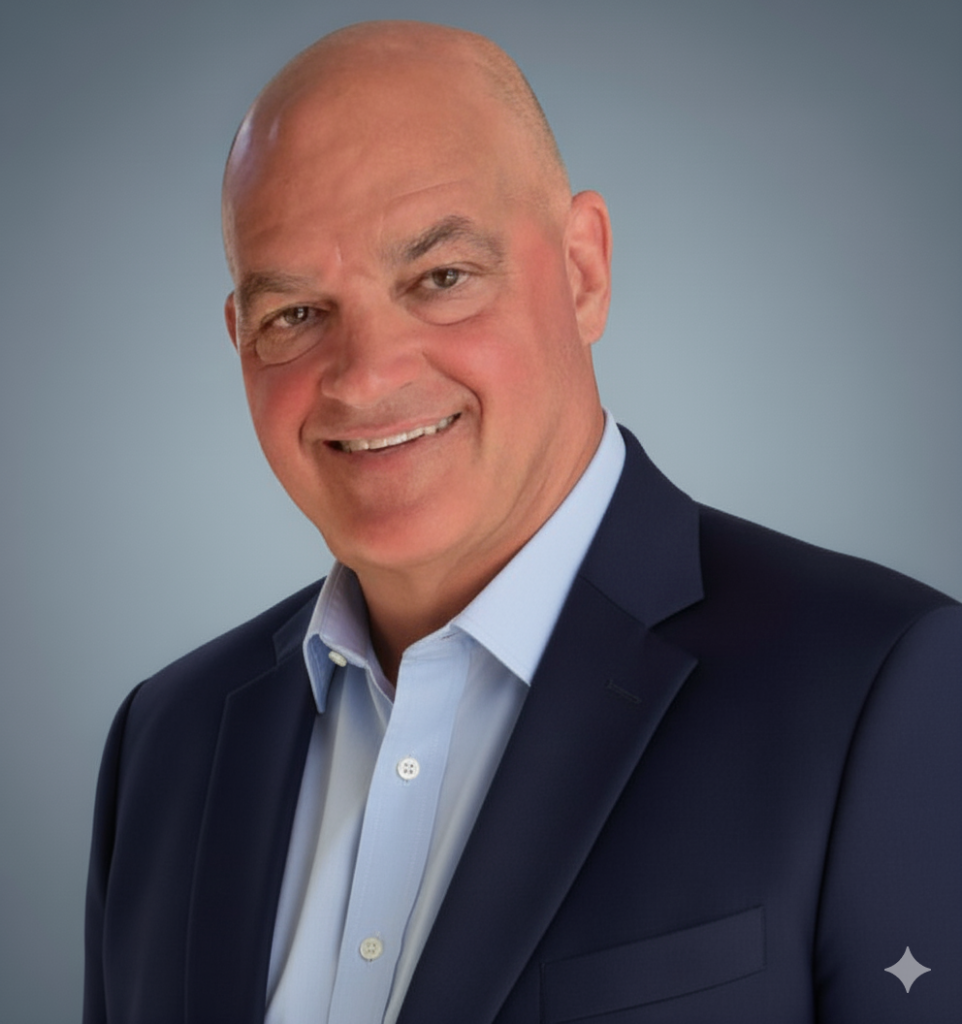
WSA: Good day from Wall Street. This is Juan Costello, Senior Analyst with the Wall Street Analyzer, joining us today is Randy Seidl, CEO at Rain Enhancement Technologies. The company trades on NASDAQ, ticker symbol RAIN. Thanks for joining us today, Randy.
Randy Seidl: Thanks for having me again. It’s been, what, six months or so, I think.
WSA: Yeah, definitely. It’s been six months, September of last year since we last spoke. Time’s been flying since then. And for some of our listeners that didn’t catch that previous call, can you provide an intro of who you are?
Randy Seidl: Absolutely. So proud to be CEO of Rain Enhancement Technologies. By way of background, I really knew nothing about the space prior; had some executive jobs at some of the larger tech companies people might be familiar with, EMC, Sun Microsystems, Hewlett Packard, Storage Tech. Ran some smaller companies you would probably not have heard of. And the past 10 years, I was doing advising, consulting, board work, and then got this unique opportunity, which I’m very excited to share with everybody.
WSA: So, a lot’s been going on since we last spoke and you know, bring us up to speed on some of the most recent news as you also just had some updates there for the operations in Utah.
Randy Seidl: Absolutely. And maybe I’ll take a step back for those that don’t know and just kind of frame up a little bit more about kind of what the problem is out there and then how we address it. And then I can give some of the updates. Does that work?
WSA: Certainly. Definitely.
Randy Seidl: Okay great. I was very unfamiliar with — and I think most of my friends are, there’s just huge water problems out there; globally, there’s certainly drought issues, but even within the United States, especially Western United States, this was a very bad snowpack year and all the results are starting to come out. But pretty much most areas out West had between about 25 and 50 percent of the snowpack. And the snowpack is really how people depend upon the water for the year-round different uses.

And at the same time, the different Western states are in this massive dogfight over the water rights. And kind of long story short, Colorado — mostly Colorado and Utah are the ones that — and a little bit Wyoming, but Colorado and Utah really feed those lower basin states with the water and there’s basically just not enough to go around. And every day there’s articles about the turmoil and issues that are going on really everywhere. Big problem, market probably is kind of 10 to 15 billion dollar globally. So over time, even if we can do the math, we can get one to 10 percent. We think we’ve got a huge financial opportunity for our investors and our shareholders. And then what we actually do, people might be familiar with cloud seeding.
Traditional cloud seeding uses psoriadide, which is something of a chemical. You can only use it during certain times during freezing cold temperatures. So better than that older methodology we’ve got a newer technology called ionization which basically arrests — lifts up electronic charges up that are carried up through by the wind and the coverage area that we have is — if you picture a polygon, kind of 30 to 44 miles down the sides, 18 miles on the short side; so basically up to 360 square miles, which is a large area. And some of the benefits with our technology, again, versus the traditional cloud seeding, is that we have no chemicals.
So, for example — and I’ll eventually talk about the Colorado installation, but people — we had a public hearing Zoom, had to get on as part of the permit and approval process. And really, once people knew that we didn’t have any chemicals that really relieved all the concerns that they would have otherwise had. We’re also solar powered, so very economical, so eco-friendly as well. And we’re able to be on a lot more often because it doesn’t cost anything to operate. You can be on, you’re not going to be worried about picking your times really when you want to be on or when you don’t want to be on. And then being able to do it year round offers a higher level of enhancement.

So if you take a look what the precipitation, rain or snow would otherwise be during the year, we should be able to get the customer prospect, whoever it is, an additional 10 to 20 percent, which in most cases is huge, huge, huge value for kind of what they want to do. Some of the targets that we work with are certainly at the state level, local water districts, agriculture companies, data centers; starting to talk to now, large landowners, resorts, golf courses, et cetera. So good news is everybody really needs water. And it’s one of the things which, you know, myself included, you just kind of take for granted to say, “Well, it’s always going to be there.” But, you know, think about the mounting problem, you know, over time that really can be massive.
So that’s kind of the problem and then how we solve it, a great way. And then some of the recent, you had asked about some of the news since we last spoke, really excited to have two more installations. We’ve got one in Colorado that I was just referencing in Wealth County. The target area is an organic dairy farm. In order for cow milk to be organic, interestingly enough, the cows need to have 30% real grass or alfalfa. In order to have 30% grass and alfalfa in their diet, they need to have more water in order to actually grow it.
So that’s the use case there. And interestingly enough, for Colorado, where the first and only company that’s been approved for warm weather seating. So if you think about the different, you know, kind of the mountains there, ski areas, et cetera, ski areas also another great target for us. Something that we’ve got a lot of great sales pipeline and things going on there. And then for Utah, we’ve had some fantastic results also installed since we last spoke. It’s outside of Moab in the LaSalle Mountains, and where you’ve been able to prove each month, the past three months, over 20% enhancement compared to what a comparable area would be.
So we use this — kind of long story short, we use snow gauges, rain gauges to actually show kind of what our coverage is versus kind of what the comparable will be. So we’ve got great objective data to show those fantastic results. At the same time, the local water district folks subjectively have made observations where they can tell when the storm clouds come across that it’s kind of beefier clouds where we are. They can actually see that there’s more snowpack in our area versus the other and also improvements with stream flow. So that one has worked out really, really well for us.

WSA: before we get into some of the goals that are coming up most recently, perhaps you could talk about some of the other uses. There’s multiple uses and applications there.
Randy Seidl: Absolutely. Thank you. So we call it kind of the rain and snow are sort of our home game. But we’ve also done announcements where we did a pilot for fog mitigation in the fall, and that was very successful. And we are working with some folks in the U.S now on kind of continuing that pilot process. So you can imagine,, airports, highways, you know, states that have issues with fog, traffic accidents and deaths. Unfortunately, that’s something we’re working on. And then also we’re approached by a state that has the Olympics coming up in several years that’s concerned about smog and air pollution. So they have kind of their smart folks and some of our advisors are working together researching that. But it appears that our solution also can help with smog and air pollution. But in the short term, we’re certainly focused on getting folks more water through snow and rain.

WSA: Right. So I guess you’re doing that through the ionization process and also remove some of the harmful particles there.
Randy Seidl: Exactly.
WSA: And so what are some of those other goals that you’re hoping to accomplish here over the course of the next three to six months?
Randy Seidl: Yeah. It’s really been that the company has been going now, I guess you say, pretty much five quarters since the SPAC went through beginning of January last year. So it was really kind of just figuring out the market, who’s who. We intentionally did Colorado and Utah as our first installs because they’re really the primary, most important states. We love all the states, but those are really the most important ones in terms of feeding everybody out. So we’re really just looking to expand the number of installations. And the sales pipeline is certainly very strong, not only domestically, but also internationally. We’ve been building up a world-class team and also have been fortunate, not only full-time folks, but also have a terrific slate of industry advisors that have been around the block that are folks that otherwise we really wouldn’t be able to hire full-time, but are very happy to engage part-time and help us in lots of different ways.
WSA: So, yeah, perhaps you can talk about the key management, Randy, as you just added new board members and some, you know, shifts and additions there to the team.
Randy Seidl: Sure. So the most recent board member, Dave Sylvester, is CFO of Steelcase, which is a large public company in the furniture space. So he’s great credentials, a great board member for sure, but also to chair our audit committee. As you said, public company stock symbol is Rain. And the ringleader of the SPAC was Harry Yu, who’s chairman of the board, who’s just fantastic to work with. By chance, Michael Dell has a chapter in his recent book called Harry Yu. Harry put together the VMware Silver Lake tracking stock deal and also has a real impressive background from there. And then the management team, very impressive; one of my favorites, not big favorites, but Scott Morris is our lead designer, engineer, sort of CTO. He’s been involved with the technology for a while. He’s in Australia. We just have lots of great things going on. Really, really excited about it.
WSA: Sure, so can you talk about the market opportunity and what factors make Rain Enhancement unique from some of the other perhaps players in the sector?
Randy Seidl: Sure. I guess depending upon the sizing that you look at, I mentioned before a little bit, but kind of market being sized about $10 billion to $50 billion. So any percentage of that is – it builds us a terrific, profitable company for sure. So really excited about that opportunity in terms of us going after it. And really, interestingly enough, a lot of people these days are starting to get wigged out, chemtrails; and is anybody stealing rain or clouds from somebody else, my neighbor and all that stuff?
So basically, any of the questions that come up, we’re crystal clear, because again, not having any chemicals, being solar powered, not having any operating costs, being able to be on all the time, being able to be on year round. If it ends up that there’s going to be some nasty weather coming through, typically you’re going to know three or five days ahead of time. Let’s say if we’re enhancing now, Juan, and then we know there’s going to be something coming through this afternoon or tonight; we basically power down. We’re not going to have any adverse effect on that. Otherwise, what could be crazy weather? And also, I don’t know if you’re familiar with Moab or not, but a huge outdoor recreation area.
So that was a big concern of theirs that we’ve got things in place around kind of auto shut off that if there’s going to be any crazy weather coming through that we won’t make it worse. Other question that comes up is, “Okay, are you stealing from my neighbour?” The answer is no. Whenever there is a precipitation event, about 9% is really what comes out of the clouds. So even if we enhance at 20%, the 9% goes to 10.8%. So it’s a negligible amount and the clouds replenish themselves. So it’s, again, a great opportunity. We’re uniquely positioned and have our hands full with lots of great sales discussions as we speak.

WSA: Yeah, well, as far as investors and the financial community, what do you wish they better understood about the company or the sector, which would result perhaps in a higher valuation on the stock?
Randy Seidl: Yeah, I think it’s really just realizing that we are for real. I appreciate last year that people really didn’t know…we really didn’t have any good data points, but having installs, having great data points, having some of the best advisors in the world that are signing up to put their name behind us. And then as we’re able to share kind of financial goals and projections, which we’re not doing yet, but we’ll do probably by the end of the year, then they’ll be able to get a better perspective on the picture. And then certainly as we announce new customers and new revenue that will continue to help as well.
WSA: So before we conclude here, why do you believe investors should consider the company a good investment opportunity today?
Randy Seidl: I’m obviously biased, but I think the valuation’s crazy low and it’s a great, great market opportunity. We definitely have the right team to go after it and come up with some impressive results for shareholders.
WSA: Well, yeah, we certainly look forward to continuing to track the company’s growth and report on the upcoming progress. And we’d like to thank you for taking the time to join us today, Randy, and update our investor audience on Rain Enhancement technologies. It’s always good having you on.
Randy Seidl: Excellent. Thanks so much, Juan. Really appreciate it.
Rain Enhancement Video Explaining Process and Solutions
ARTICLES:

Be the first to comment